
Your First Succulent
Welcome to the small, colorful world of succulents. You do not need a perfect windowsill or years of gardening experience to begin. A little observation, a pot that drains, and patience will help you learn your plant’s rhythm.
Start by finding its name
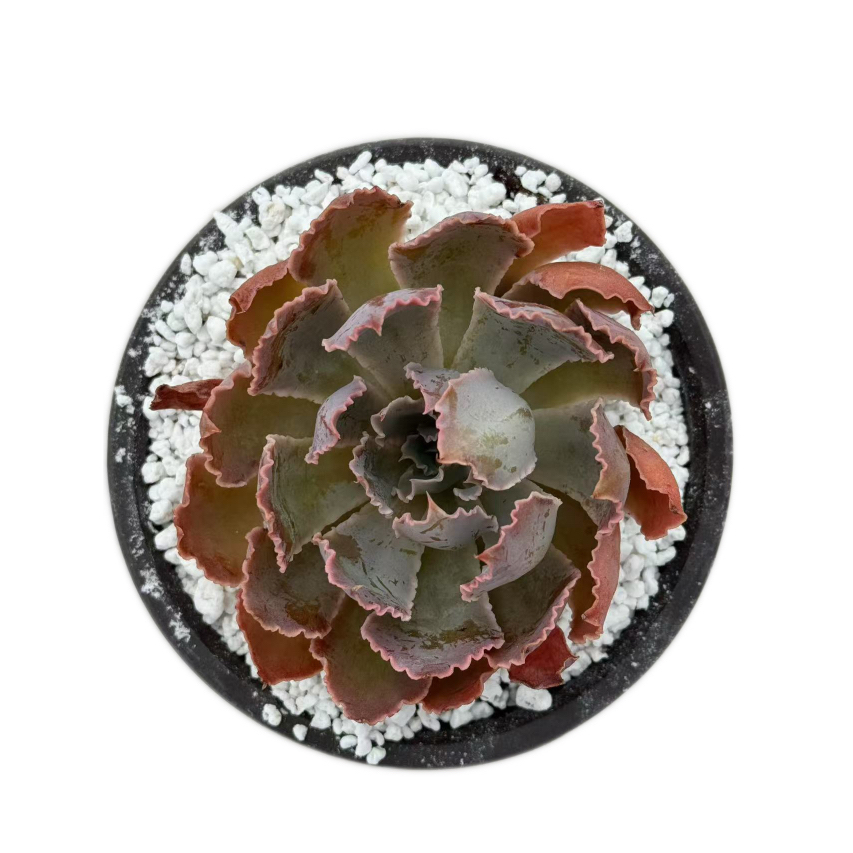
Echeveria ‘Sunset Dance’ — A colorful rosette — keep its plant label
Succulents store water in their leaves or stems, but they do not all want the same care. An Echeveria, a Haworthia, and a Lithops can have very different needs. Keep the plant label and look up its particular growing cycle before treating every pot alike.
Give it a bright place to settle

Haworthia cooperi — An example of translucent leaf tips
Photo: Krzysztof Ziarnek, Kenraiz · CC BY-SA 4.0 · unmodified
Choose the brightest suitable spot in your home. A south- or west-facing window often works well for sun-loving rosettes; Haworthias usually prefer gentler, indirect light. Move plants into direct sun gradually to avoid scorched leaves. If new growth stretches and the leaves spread apart, your plant may need more light. In a cloudy New Jersey winter, a grow light can help; follow the maker’s guidance for distance and begin with a regular daytime schedule.
Water thoughtfully

Lithops — living stones — A separate watering routine
Photo: Tangopaso · Public domain · unmodified
For most established rosette succulents, check that the potting mix has dried through the pot before watering. Then water the soil thoroughly, let excess water drain, and empty the saucer. Avoid a fixed weekly schedule: light, pot size, season, and growth all change how quickly a plant dries. Lithops and dormant plants need their own routines.
Wrinkled leaves can suggest thirst, while translucent, mushy leaves can signal excess moisture or rot. Neither sign tells the whole story. Check the soil and roots before adding more water to an unhappy plant.
Make drainage easy
Choose a pot with a drainage hole and a fast-draining succulent mix. Pumice or perlite can improve a mix that stays wet too long; the right amount depends on your conditions. Unglazed terracotta can help beginners because it dries more readily. Never leave the pot standing in water.
Plan for changing seasons

Sempervivum tectorum — A hardy rosette with offsets
Photo: Terragio67 · CC BY-SA 4.0 · unmodified
Most Echeverias, Aeoniums, and Haworthias need protection from frost. Around 45°F is a useful cautious reminder to prepare indoor shelter, not a universal cold-tolerance limit. Check your variety and forecast, and bring tender plants in before freezing weather. Many Sempervivums can stay outdoors if their hardiness and drainage suit your garden.
Let yourself learn slowly
A dried lower leaf does not always mean something is wrong. Notice new growth, take an occasional photo, and make one adjustment at a time. If you need a second pair of eyes, share a clear photo and your watering and light routine in our community. Your first succulent is the start of a conversation, not a test.